

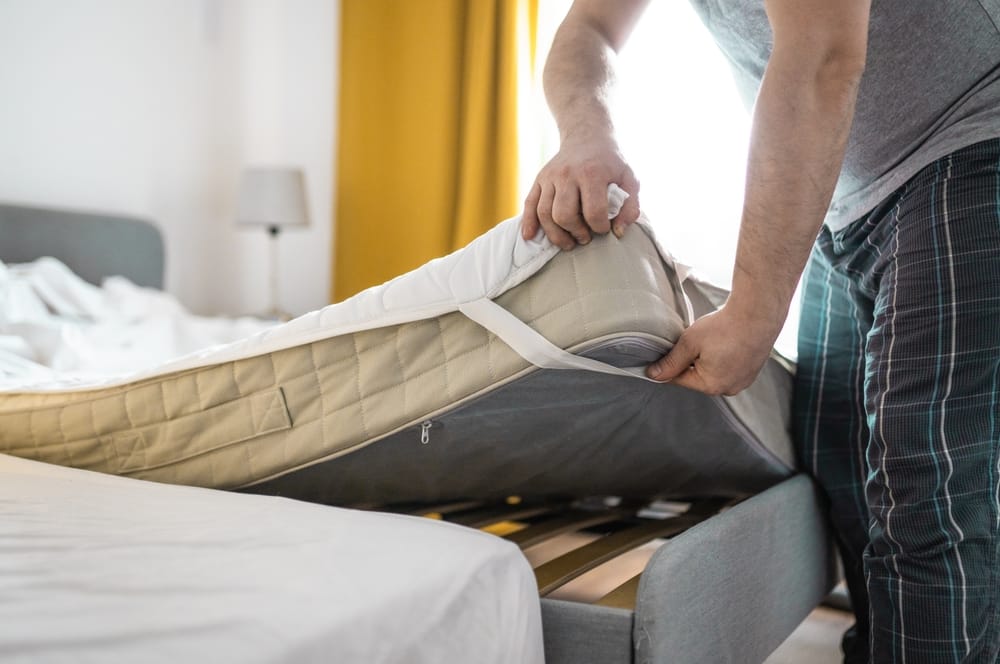
At Kings Distribution Inc, we understand that a good night’s sleep starts with a quality mattress. If you’re shopping for Canadian-made furniture in Barrie or simply upgrading your bedroom, knowing when to replace your mattress helps protect your health, comfort, and investment. Here’s a practical guide built on expert guidance and real-world experience, tailored for readers in Barrie and beyond.
The Short Answer
On average, mattresses should be replaced every 7 to 10 years. This window isn’t a hard rule; it’s a practical range that accounts for the typical lifespan of different mattress materials, how well you care for your bed, and how you use it. At Kings Distribution, where we showcase Canadian-made furniture in Barrie, we’ve seen how factors like body weight, sleep position, and environment can push that timeline earlier or later. If your mattress is well-made and properly maintained, it may last closer to 10 years or more. If it’s older or shows obvious signs of wear, consider replacing it sooner rather than later.
Signs It’s Time to Replace Your Mattress
- Sagging or permanent body impressions
When your mattress develops deep sags or permanent indentations where you sleep, it no longer provides even support. While rotating or flipping can extend life for some models, persistent sagging is a reliable cue that support is compromised. - Pain or discomfort
A mattress that stops supporting your spine or causes new aches in your back, hips, neck, or shoulders is likely losing its ability to keep you comfortable and properly aligned. If you wake up consistently stiff or in pain, it’s time to reassess. - Visible wear and tear
Rips, worn fabric, springs poking through, or visible sagging are telltale indicators that a mattress’s integrity is compromised. Even if you don’t feel extreme discomfort yet, visible wear suggests the bed’s performance is degraded. - Allergies and respiratory symptoms
Over time, a mattress can harbour dust, dust mites, and other allergens. If you notice worsening allergies or asthma symptoms at night, a new mattress (and a high-quality protector) can make a meaningful difference. - Poor sleep quality
If you don’t feel rested after a full night’s sleep, the culprit can be the mattress. Restless or fragmented sleep may signal inadequate support, insufficient pressure relief, or a break in comfort that a newer mattress can fix. - Odours or mould concerns
Odours, moisture buildup, or mould are red flags that your mattress is no longer safe to sleep on. While cleaning methods can help, persistent smells often indicate the need for replacement. - Noise and wear in springs
Especially common in innerspring models, excessive creaking or squeaking can indicate worn springs or failing internal components. A new bed can restore quiet and consistent support.
Mattress Type and Lifespan
- Foam: typically 7–10 years
- Innerspring: about 7–8 years
- Hybrid: roughly 7–10 years
- Latex: up to 15 years
- Adjustable bases: about 6–8 years
Good maintenance can push the upper end of these ranges, but heavy use or poor care tends to shorten them. If you own a high-quality, well-cared-for mattress, you might approach the upper end of the spectrum, while budget or lower-quality models may need replacement sooner.
How to Extend Your Mattress Lifespan
- Use a high-quality mattress protector. Protecting against moisture, dust, and dander helps your mattress endure daily wear.
- Rotate or flip as recommended by the manufacturer. Regular rotation promotes even wear and reduces the chance of early sagging.
- Keep the right foundation. A sturdy bed frame or foundation prevents premature sagging and obscures wear patterns.
- Clean and maintain. Light cleaning, spot treatment, and periodic vacuuming help remove dust and skin particles that shorten a mattress’s life.
- Avoid jumping on the bed and minimize exposure to moisture. These practices can degrade materials, reducing longevity.
Why It Matters for Barrie and Canadian-Made Choices
If you’re in Barrie and looking for dependable, Canadian-made furniture, Kings Distribution is proud to offer locally manufactured options that emphasize durability and support. A well-chosen mattress complements the other pieces in a bedroom set, creating a cohesive and long-lasting look. When you pair a high-quality Canadian-made mattress with thoughtfully designed bedroom furniture, you’re investing in comfort, sleep quality, and the overall health of your living space.
Practical Guidance for Choosing How Often to Replace
- Consider your mattress type and its expected lifespan (foam, innerspring, latex, hybrid, etc.).
- Assess comfort and support. If you notice pain, persistent sagging, or uneven support, it may be time.
- Review maintenance habits. Regular cleaning and proper foundation maintenance can extend the life of a roof.
- Weigh the cost of continued use against the benefits of a new mattress. A newer mattress can restore sleep quality and reduce pain, potentially saving medical or wellness costs over time.
Final Thoughts
Sleep is foundational to daily living, mood, and well-being. While the typical lifespan of a replacement window is 7–10 years, your specific mattress’s lifespan depends on its materials, care, and usage. If you’re searching for reliable, Canadian-made furniture in Barrie or want to upgrade your sleep setup with a new mattress, visit King’s Distribution. Our showroom features a wide range of durable, locally produced options designed to fit your space and lifestyle.
Recent Comments